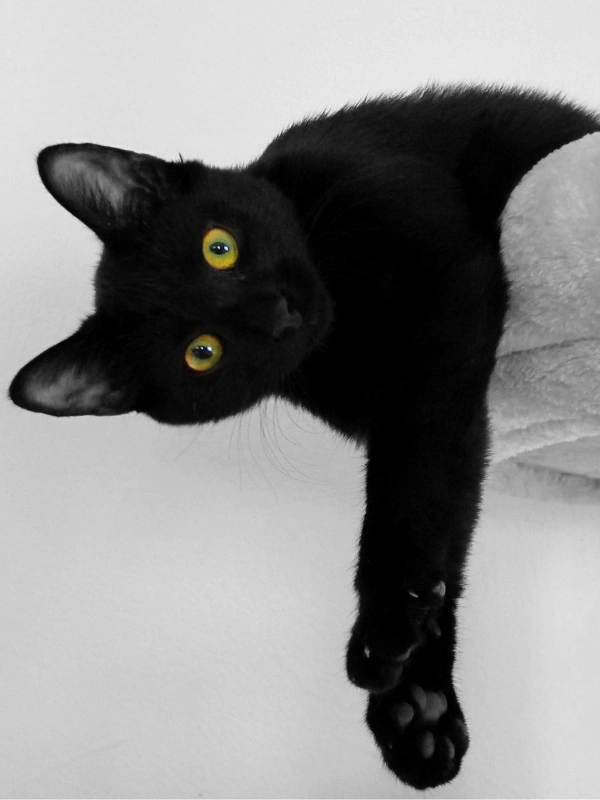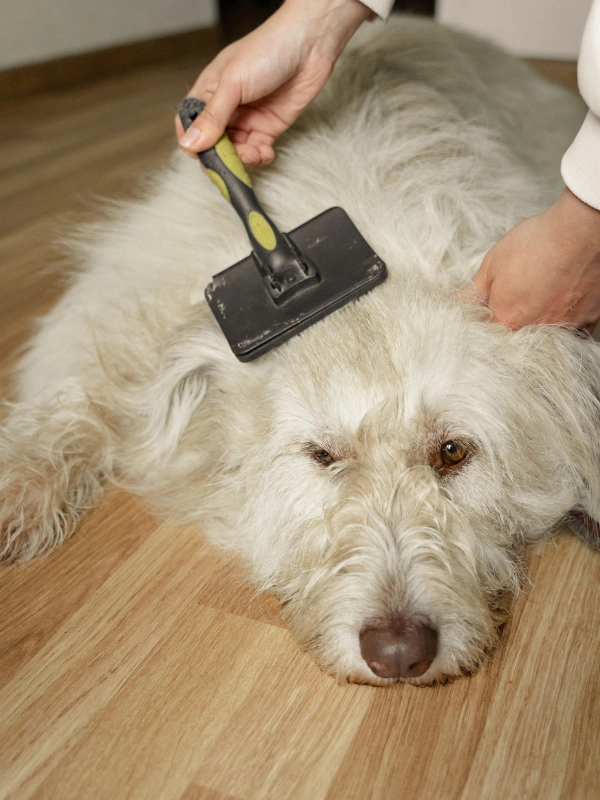
Grooming is an important part of keeping your pet healthy, comfortable, and happy. It isn’t only about making your pet look their best—it also gives you an opportunity to notice changes in their skin, coat, ears, nails, and overall condition.
If you’re new to pet grooming, don’t worry. You don’t need to become a professional groomer overnight. With a few basic tools, a little patience, and a consistent routine, you can make grooming a positive experience for both you and your pet.
Why Is Grooming Important?
Regular grooming helps remove loose fur, dirt, and debris while keeping your pet’s coat in good condition.
It can also help you notice problems such as:
- Skin irritation or redness
- Unusual lumps or bumps
- Fleas and ticks
- Mats and tangles
- Ear problems
- Overgrown nails
- Changes in coat texture
For many pets, grooming can also become a relaxing bonding activity when introduced gently.
Start With the Right Tools
You don’t need every grooming product available. Start with the basics that are appropriate for your pet’s coat and needs.
Your grooming kit may include:
- A suitable brush or comb
- Pet-safe shampoo
- Towels
- Nail clippers designed for pets
- A toothbrush and pet-safe toothpaste
- Ear-cleaning products recommended by your veterinarian
- Treats for positive reinforcement
The right tools depend on your pet’s species, breed, coat type, and individual needs.
Brushing Your Pet
Brushing is one of the easiest grooming habits to start at home.
Short-haired pets may only need occasional brushing, while long-haired pets often need much more frequent grooming to prevent tangles and mats.
Brush gently and pay attention to areas where fur commonly becomes tangled, such as behind the ears, around the legs, and near the tail.
If you come across a tight mat that you cannot safely remove, don’t pull at it. Ask a professional groomer or veterinarian for help.
Bathing Basics
Not every pet needs frequent baths.
Dogs may need bathing when they become dirty or according to their coat and lifestyle, while healthy cats generally do an excellent job of grooming themselves and rarely need routine baths.
When bathing is appropriate:
- Use lukewarm water.
- Use a shampoo specifically made for your pet.
- Avoid getting shampoo in their eyes and ears.
- Rinse thoroughly.
- Dry your pet completely and keep them warm afterward.
Never use human shampoo unless your veterinarian specifically recommends it, as human products may not be suitable for your pet’s skin.
Nail Care
Overgrown nails can become uncomfortable and may affect the way your pet walks.
If you’re comfortable trimming them at home, use proper pet nail clippers and remove only a small amount at a time. Cutting too far can injure the quick and cause bleeding.
If you’re nervous about doing it yourself, ask your veterinarian or a professional groomer to show you how.
Don’t Forget Their Teeth
Dental care is an important part of your pet’s overall health.
Regular brushing with toothpaste made specifically for pets can help support good oral hygiene. Human toothpaste should not be used for pets.
Start slowly by allowing your pet to become familiar with the toothbrush and toothpaste before attempting a full brushing session.
If you notice severe bad breath, swollen gums, bleeding, loose teeth, or difficulty eating, schedule a veterinary examination.
Check Their Ears
Your pet’s ears should be checked regularly for unusual redness, swelling, discharge, odor, or excessive wax.
Don’t insert cotton swabs or other objects deep into the ear canal.
If your pet is constantly scratching their ears, shaking their head, or seems uncomfortable, contact your veterinarian rather than trying to treat the problem yourself.
Make Grooming a Positive Experience
Some pets love grooming from the beginning. Others need time to get used to it.
Start with short sessions and plenty of praise. Introduce grooming tools slowly and reward calm behavior with treats or affection.
Never force your pet through a stressful grooming session when you can safely pause and try again later.
The goal isn’t to finish everything in one session. The goal is to help your pet learn that grooming is safe.
Watch for Changes
Grooming gives you the perfect opportunity to become familiar with what’s normal for your pet.
While brushing or bathing, look for changes such as:
- New lumps or bumps
- Red or irritated skin
- Hair loss
- Persistent itching
- Parasites
- Unusual odors
- Wounds or sores
If something looks unusual or doesn’t improve, contact your veterinarian.
When to Call a Professional
Home grooming is great for regular maintenance, but some situations require professional help.
Consider contacting a professional groomer or veterinarian if your pet has severe mats, a difficult coat, extreme anxiety during grooming, or a condition that makes grooming uncomfortable.
Professional help can also be useful when you’re learning how to trim nails, manage a particular coat type, or safely handle grooming for the first time.
Grooming Is More Than Looking Good
The best grooming routine isn’t about making your pet look perfect.
It’s about helping them feel comfortable, keeping an eye on their health, and building trust through gentle care.
Start small, stay patient, and make grooming part of your pet’s routine.
A clean coat, healthy habits, and a little extra love can go a long way. 🐾🤍